
Engagement Rings / Vintage Rings
Vintage Engagement Rings: Eras, Styles & How to Buy Antique
Published October 8, 2026
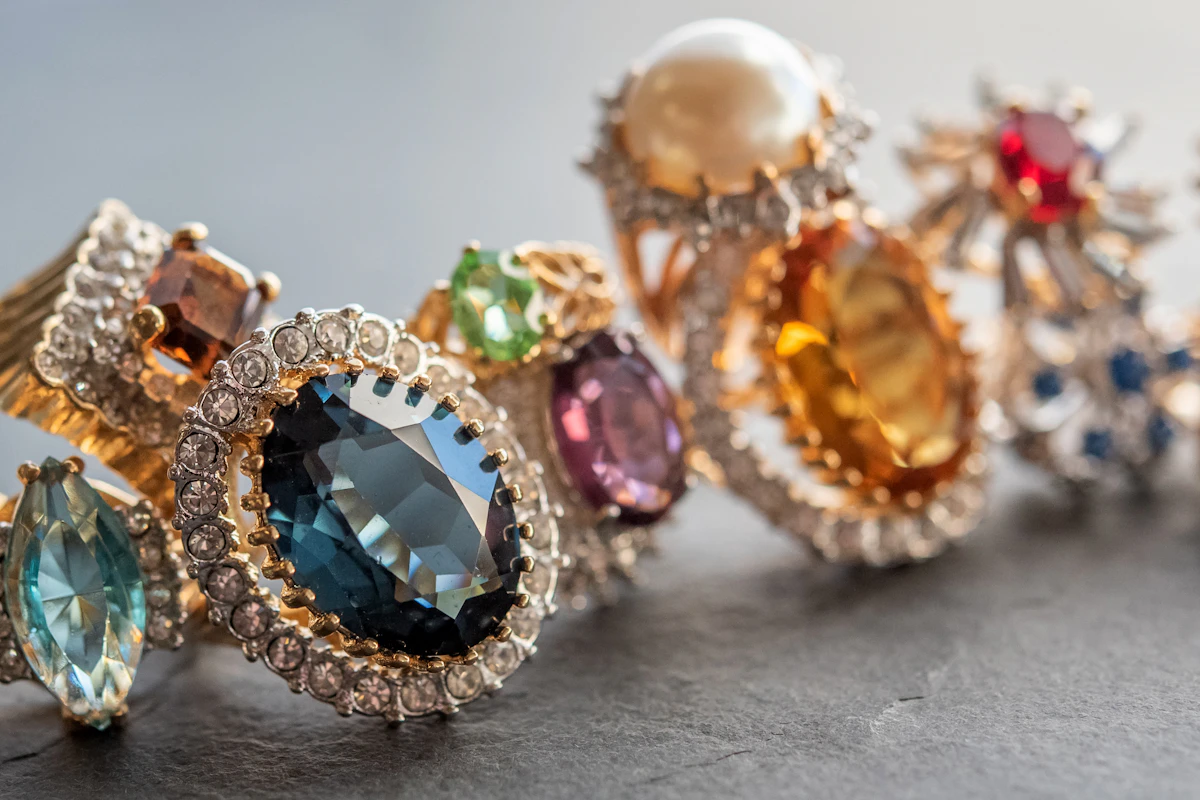
Vintage engagement rings carry history, craftsmanship and character that are hard to find in modern designs. Whether you want a true antique with its own story or a new ring inspired by a past era, this guide explains the main styles and how to buy with confidence.
Vintage, antique, estate or vintage-inspired?
| Term | Common meaning |
|---|---|
| Antique | Generally 100 years old or more |
| Vintage | Usually at least 20 to 30 years old, but younger than antique |
| Estate | Previously owned jewelry of any age |
| Vintage-inspired | Newly made in a historic style |
Engagement ring styles by era
Georgian (about 1714 to 1837)
Handmade rings with closed-back settings, foiled stones and nature motifs. Rare and often delicate.
Victorian (about 1837 to 1901)
Romantic designs with clusters, hearts, flowers and colored gems in yellow or rose gold.
Edwardian (about 1901 to 1915)
Light, lacy platinum settings with fine milgrain and filigree work, often featuring old European cut diamonds.
Art Deco (about 1920 to 1935)
Bold geometry, symmetry and contrast: step cuts, calibre-cut sapphires and platinum. Perfect with emerald cut diamonds.
Retro (about 1935 to 1950s)
Chunky, glamorous rose and yellow gold designs with sculptural shapes.
Antique diamond cuts
- Old mine cut: a cushion-like shape with a high crown and large facets, cut by hand. The ancestor of today's cushion cut.
- Old European cut: a round shape with a high crown, small table and chunky facets, the forerunner of the modern round brilliant.
- Rose cut: a flat back and domed top with triangular facets, giving a soft glow.
Antique cuts glow warmly in candlelight and have a softer, more romantic sparkle than modern cuts.
Signature vintage details
- Milgrain: tiny metal beads along the edges.
- Filigree: delicate, lace-like metalwork.
- Hand engraving: patterns carved into the band.
- Halos and clusters: small diamonds surrounding a center stone. See halo engagement rings.
- Colored gems: sapphires and emeralds were popular. See sapphire engagement rings.
Pros and cons of a true antique ring
| Pros | Cons |
|---|---|
| Unique, one-of-a-kind character | May need repairs or re-tipping of prongs |
| Craftsmanship that is costly to replicate | Sizing can be limited for delicate designs |
| Sustainable, no new mining | Grading reports are less common |
| Can offer good value | Requires a trusted, knowledgeable seller |
How to buy a vintage engagement ring safely
- Buy from a reputable antique jeweler with a clear return policy.
- Ask for details on age, metal, stone and any repairs.
- Have an independent appraiser check the ring.
- Inspect prongs and the back of the ring for wear.
- Ask whether it can be resized before you buy.
- Insure the ring right away.
Prefer something new? Many jewelers make vintage-inspired designs in platinum or gold. Compare metals in engagement ring metals and styles in engagement ring settings.
Frequently asked questions
What is the difference between vintage and antique rings?
Antique rings are generally at least 100 years old, while vintage rings are usually 20 to 100 years old.
Are vintage engagement rings durable?
Many are, but older rings may have worn prongs or thin bands. Have a jeweler inspect and repair them as needed.
Are vintage engagement rings cheaper?
Sometimes. Antique diamonds and older settings can offer good value, though rare signed pieces can be expensive.
Can I get a new ring in a vintage style?
Yes. Vintage-inspired rings combine historic details like milgrain and filigree with modern durability and sizing.
Engagement Photo Guide Team
Editorial Team
The Engagement Photo Guide team writes practical guides on engagement rings, proposal ideas and engagement photos to help couples plan every step with confidence.