
Engagement Rings / Ring Settings
Engagement Ring Settings & Styles: 10 Types Explained
Published October 8, 2026
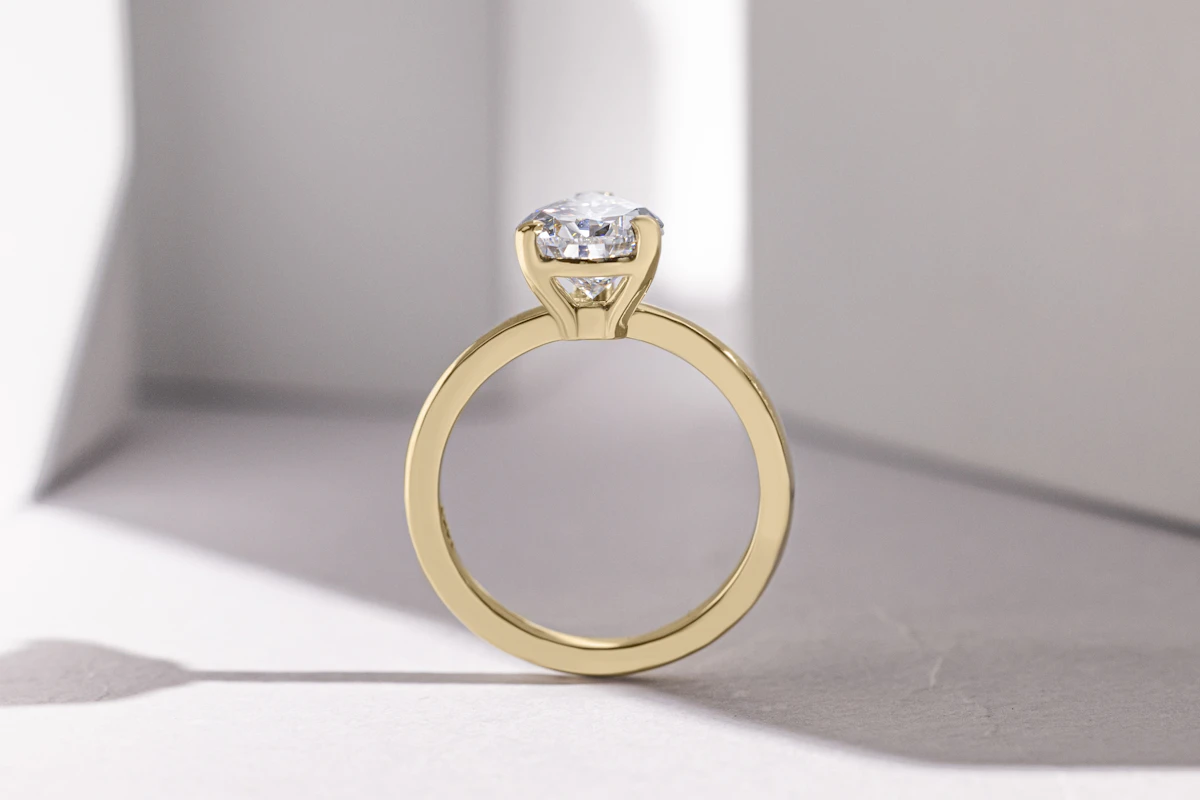
The setting is everything in an engagement ring except the center stone: the band, the prongs or bezel holding the diamond and any side stones. It shapes the ring's style, how secure the diamond is, how much it sparkles and even how practical it is to wear every day. Here are the ten most popular engagement ring settings and styles.
Engagement ring settings at a glance
| Setting | Look | Security | Best for |
|---|---|---|---|
| Solitaire | Classic, minimal | High | Timeless style, bigger center stone budget |
| Halo | Glamorous, larger look | Medium-high | Maximum sparkle and size |
| Hidden halo | Solitaire with side sparkle | Medium-high | Subtle extra sparkle |
| Three stone | Symbolic, wide | High | Meaningful, substantial look |
| Bezel | Sleek, modern | Highest | Active lifestyles |
| Pave | Sparkling band | Medium | Extra sparkle on the band |
| Cathedral | Elegant, raised | High | Showing off the center stone |
| Cluster | Floral, vintage | Medium | Big look on a smaller budget |
| Tension-style | Floating, modern | Medium | Contemporary design lovers |
| Vintage | Detailed, romantic | Medium-high | Heirloom style |
1. Solitaire
One diamond on a simple band. Timeless and easy to pair with a wedding band. Read solitaire engagement rings.
2. Halo
Small diamonds frame the center stone and make it look larger. Read halo engagement rings.
3. Hidden halo
A ring of diamonds under the center stone adds side sparkle while keeping a clean top view. Covered in our halo guide.
4. Three stone
A center stone with two side stones, often said to represent past, present and future. Read three stone engagement rings.
5. Bezel
A metal rim surrounds the stone for maximum protection and a smooth, snag-free feel. Read bezel engagement rings.
6. Pave
Tiny diamonds set closely along the band create a continuous sparkle. Pave bands need occasional checks to make sure the small stones stay secure.
7. Cathedral
Metal arches rise from the band to hold the center stone, adding height and elegance. Great for showing off a solitaire.
8. Cluster
Several small diamonds are grouped to look like one larger stone or a flower. A budget-friendly way to get a big look.
9. Tension-style
The diamond appears to float between two ends of the band. True tension settings hold the stone by pressure; many modern versions add hidden support for extra security.
10. Vintage-style
Milgrain beading, filigree and engraving give an heirloom look. Read vintage engagement rings.
Other details to consider
- Prongs: four prongs show more diamond; six prongs add security. Pointed shapes need V-prongs.
- Profile: low settings suit active lifestyles; high settings maximize sparkle.
- Band width: thin bands make the center stone look larger.
- Metal: see engagement ring metals.
- Eternity bands: pair beautifully with most settings. See eternity rings.
How to choose the right setting
- Active hands? Bezel or low-profile solitaire.
- Want it to look bigger? Halo or cluster.
- Love meaning and symbolism? Three stone.
- Minimal style? Solitaire or hidden halo.
- Heirloom feel? Vintage-style or cathedral.
Pick your diamond shape first with our engagement ring shapes guide, then match a setting.
Frequently asked questions
What is the most popular engagement ring setting?
The solitaire is the most popular and timeless setting, followed by halo, hidden halo and three stone designs.
Which setting is the most secure?
Bezel settings are the most secure because metal surrounds the stone and protects its edges.
Which setting makes a diamond look biggest?
Halo settings make the center diamond look the largest, followed by cluster designs and thin-band solitaires.
Can I change my setting later?
Yes. Many couples reset their diamond for an anniversary. A jeweler can move the stone to a new setting.
Engagement Photo Guide Team
Editorial Team
The Engagement Photo Guide team writes practical guides on engagement rings, proposal ideas and engagement photos to help couples plan every step with confidence.