Engagement Rings / Diamond Shapes
Princess Cut Engagement Rings: Square Diamond Buying Guide
Published October 8, 2026
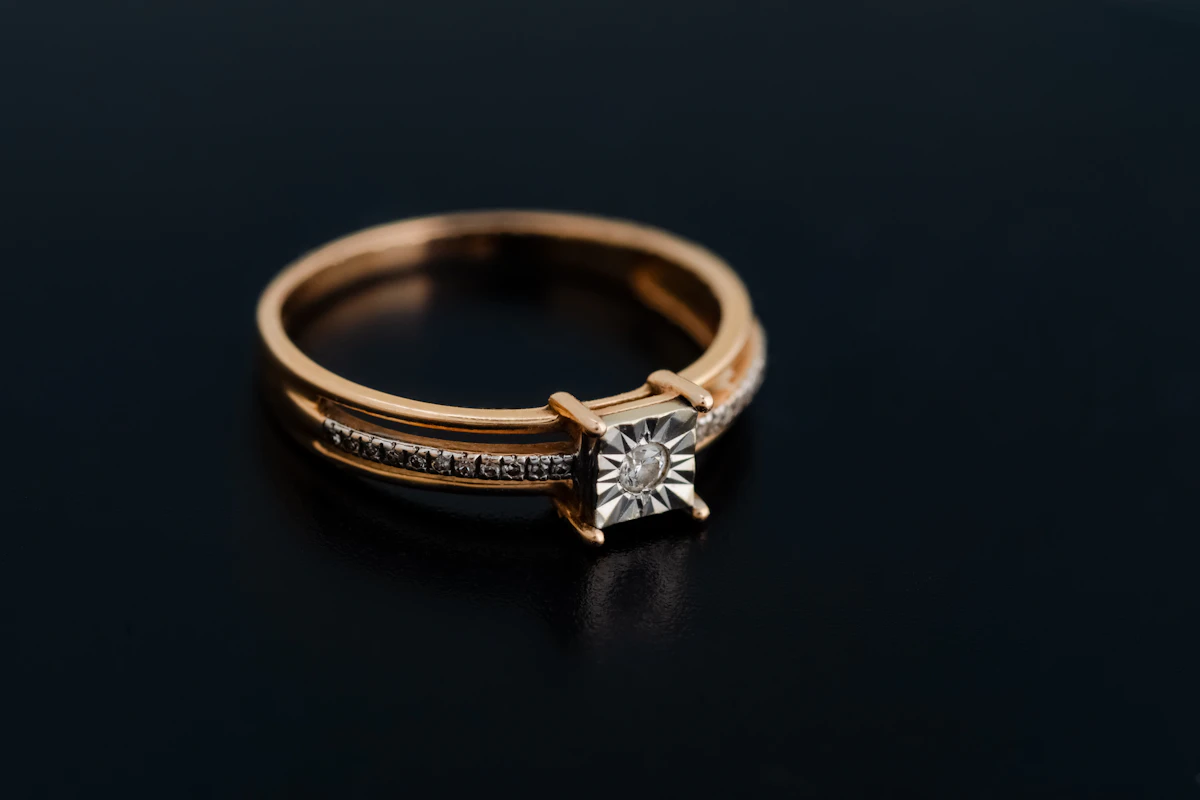
Princess cut engagement rings offer crisp, modern lines with the sparkle of a brilliant cut. The princess is the most popular square diamond shape and a great choice for couples who want a clean, contemporary ring that still dazzles.
Here is how to pick a beautiful princess cut and keep its corners safe. For a comparison of every shape, read engagement ring shapes.
What is a princess cut diamond?
A princess cut is a square or slightly rectangular brilliant cut with sharp, pointed corners and an inverted-pyramid profile. It usually has around 50 to 58 facets arranged to maximize sparkle. The modern princess cut was developed around 1980 and quickly became one of the most requested engagement ring shapes.
Pros and cons
| Pros | Cons |
|---|---|
| Bright, lively sparkle | Sharp corners can chip if unprotected |
| Clean, modern square shape | Can look slightly smaller face-up than a round of the same weight |
| Usually less expensive per carat than round | Inclusions near corners are a risk |
| Works with many settings, including side stones | Fewer vintage-style options |
Ideal ratio: how square should it be?
For a square look, choose a length-to-width ratio between 1.00 and 1.05. Ratios above about 1.05 start to look rectangular, which some people like but most princess buyers avoid.
Protect the corners
The four sharp corners are the most vulnerable part of a princess diamond. Choose a setting with V-prongs or claw prongs covering each corner, or a bezel. Avoid stones with inclusions or naturals at the corners.
Clarity and color
- Clarity: brilliant faceting hides inclusions well, so SI1 to VS2 stones are often eye-clean.
- Color: princess cuts can show slight color in the corners. G to H is a popular sweet spot in white metals; I to J can work well in yellow gold.
Best settings for princess cut engagement rings
- Four-prong solitaire with V-prongs: simple, timeless and protective. See solitaire engagement rings.
- Halo: a square halo adds size and sparkle. See halo engagement rings.
- Three stone: princess center with princess, baguette or trillion side stones. See three stone engagement rings.
- Channel-set band: small princess stones set flush in the band for a sleek look.
- Bezel: maximum protection. See bezel engagement rings.
Princess vs cushion vs radiant
| Shape | Corners | Look |
|---|---|---|
| Princess | Sharp, pointed | Modern, crisp |
| Cushion | Rounded | Soft, romantic, vintage |
| Radiant | Trimmed (cut) corners | Brilliant, slightly vintage-modern |
Compare them with cushion cut engagement rings and radiant cut engagement rings.
Buying tips
- Choose a ratio close to 1.00 for a true square.
- Confirm the corners are protected and free of inclusions.
- Judge sparkle with a video under different lighting.
- Get an independent grading report.
- Choose your metal with our engagement ring metals guide.
Frequently asked questions
Are princess cut engagement rings out of style?
No. While ovals and other elongated shapes are trending, the princess cut remains a classic modern choice and is widely available.
Do princess cut diamonds look smaller?
A princess carries more weight in its depth, so its face-up area can be slightly smaller than a round of the same carat weight, though its corner-to-corner width is larger.
Are princess cut diamonds cheaper?
Usually yes. Princess cuts waste less of the rough diamond than rounds, so they tend to cost less per carat at similar quality.
How do I protect a princess cut diamond?
Choose V-prongs or a bezel that covers all four corners, and have the prongs checked by a jeweler about once a year.
Engagement Photo Guide Team
Editorial Team
The Engagement Photo Guide team writes practical guides on engagement rings, proposal ideas and engagement photos to help couples plan every step with confidence.